UX Research in a Multi-Location Workplace System

Union Case Study  •  Wesley Belknap  •  November 2023 - February 2025

OVERVIEW

A cross-location stakeholder research initiative focused on understanding employee experiences across four locations (40+ employees). As an elected Bargaining Representative, I conducted interviews and surveys with employees and key stakeholders, synthesizing competing needs into actionable insights that informed negotiation strategy and contract proposals.

Seed

As an organizing member of the workforce, I served as an early liaison across all four locations. Initial conversations revealed competing priorities and inconsistent experiences between teams. This highlighted the need for a structured approach to capturing and synthesizing employee perspectives across the organization.

Goal

Translate diverse employee needs into clear, actionable insights to support negotiation strategy and improve organizational policy.

Outcome

Synthesized cross-location insights to align stakeholder priorities and support contract negotiations. Research identified disciplinary policy as a primary area of concern, leading to the development and adoption of a revised progressive policy agreed upon by all parties.

Methods

• Semi-Structured Interviews (30+ participants across 4 locations)

• Longitudinal Surveys (5 distributed to capture evolving sentiment)

• Affinity Mapping (thematic clustering of qualitative data)

• Qualitative Analysis (cross-source pattern identification)

• Insight Synthesis (informing negotiation strategy and policy proposals)

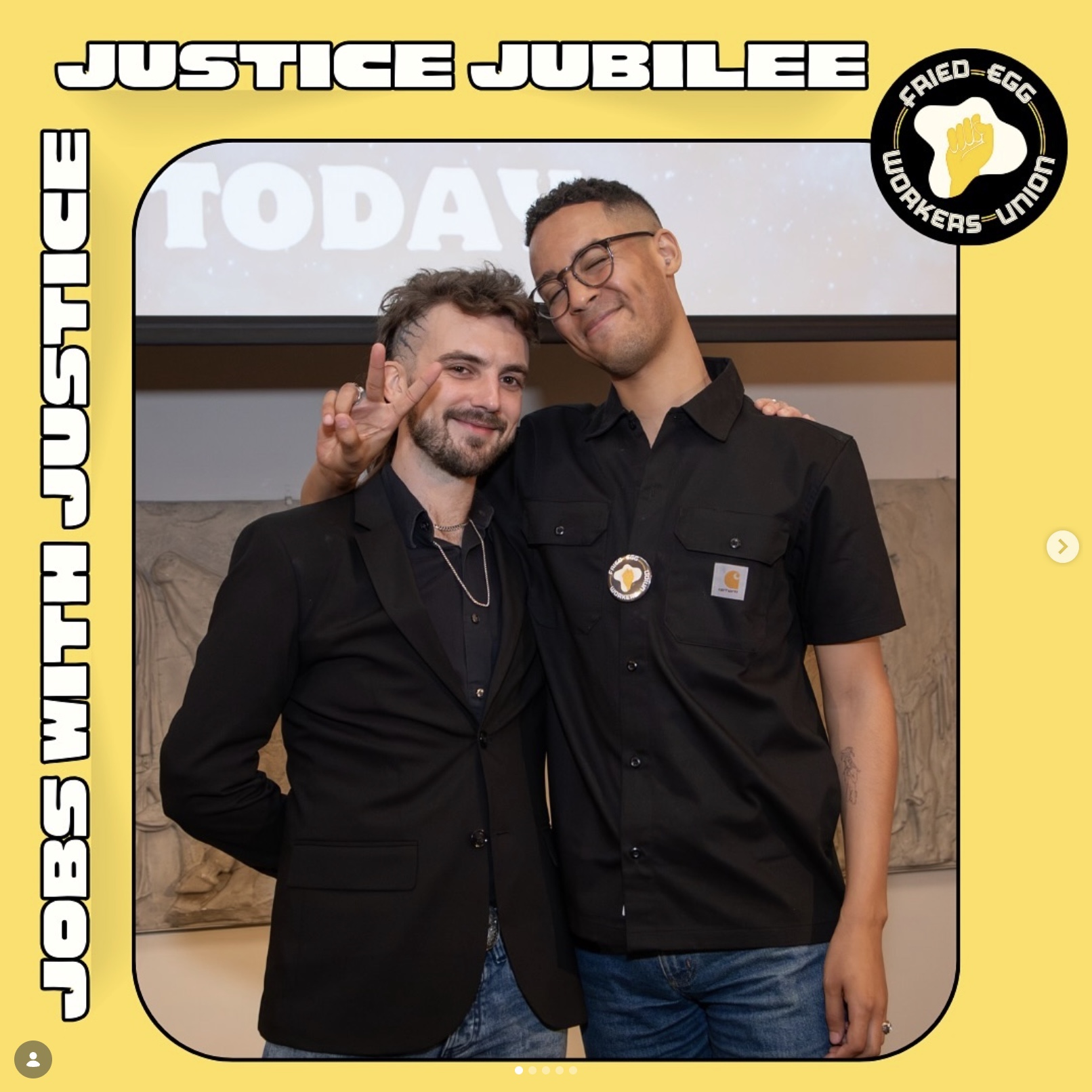
Pictured with fellow Bargaining Representative Colin John (right) following a joint presentation on our union organizing and research efforts at the 34th Annual Jobs With Justice Jubilee at the Portland Art Museum (2024).

Semi-Structured Interviews

I conducted 30+ semi-structured interviews with employees across all locations to uncover patterns in workplace experiences, which were synthesized into insights that informed negotiation strategy.

Surveys

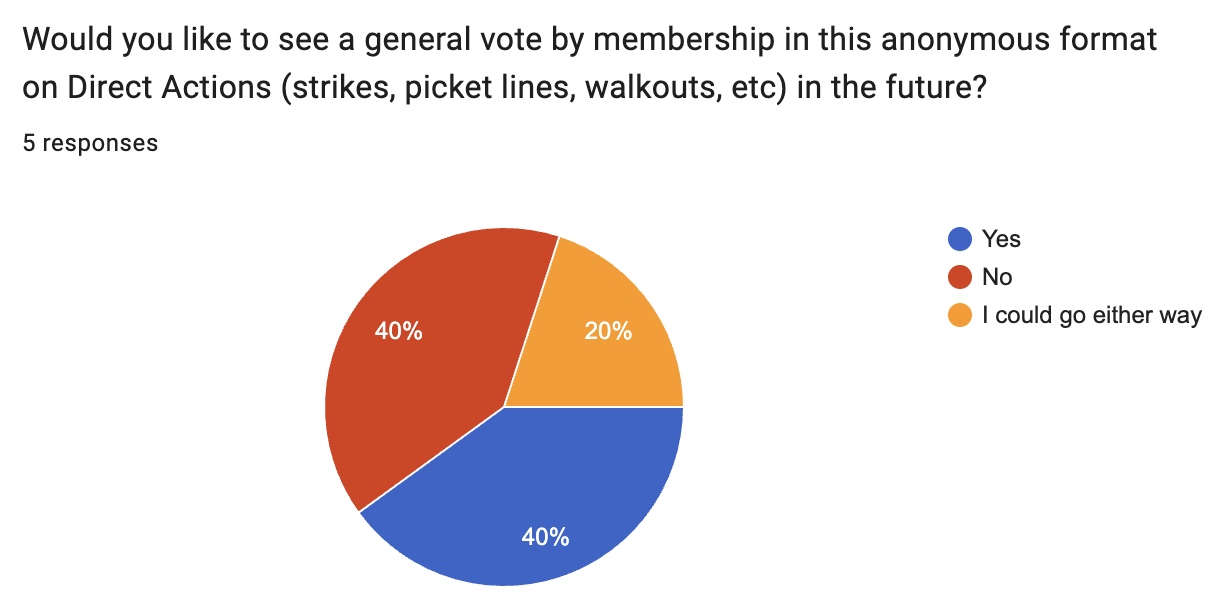
I designed and distributed five surveys over time (spaced to reduce response fatigue) to collect qualitative data from union members. Surveys were administered via Google Forms and Discord, with findings synthesized alongside interview data to inform negotiation strategy.

Affinity Mapping

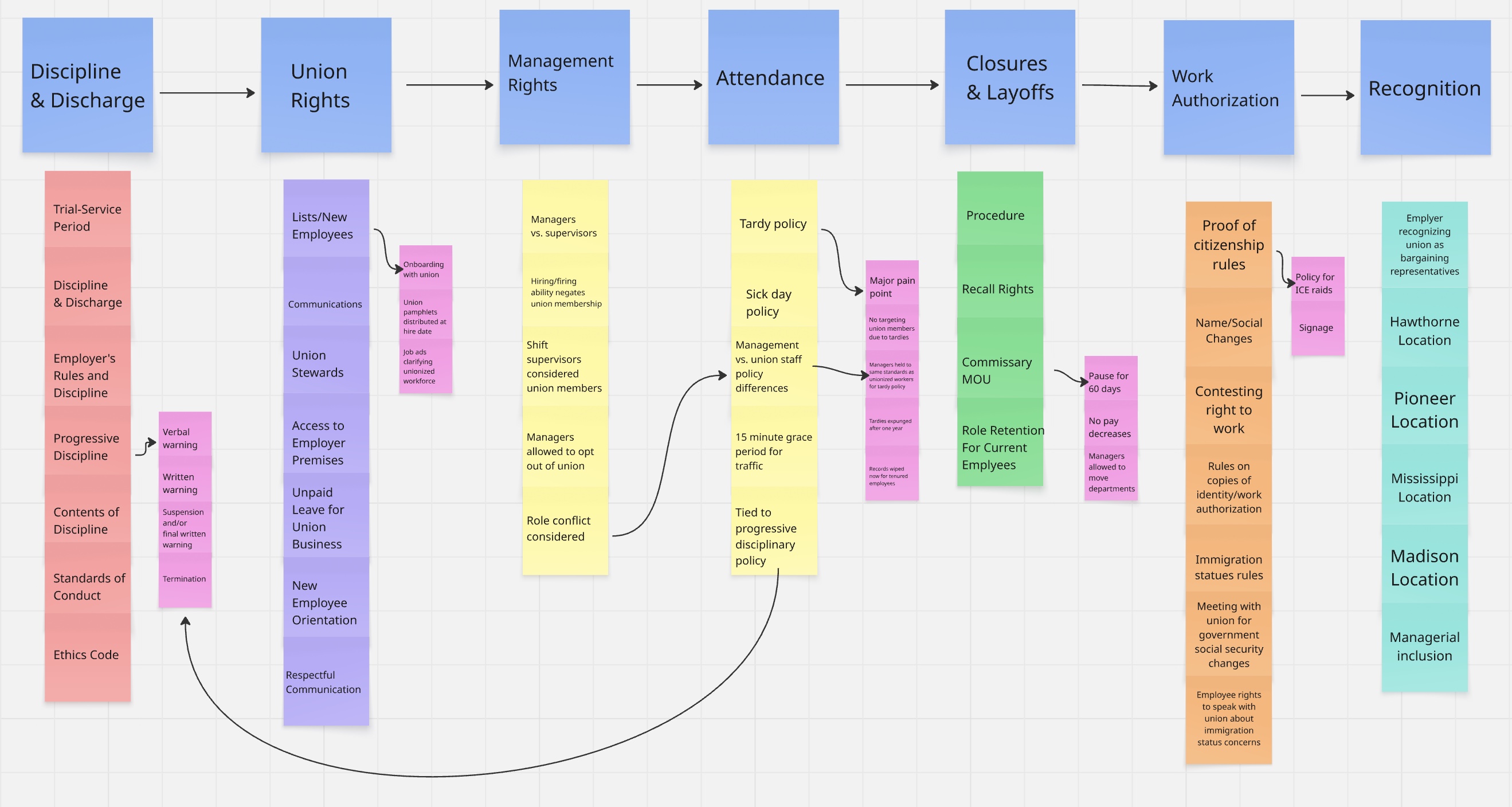
I applied affinity mapping to organize qualitative data from employees and employers, surfacing key themes and priorities that shaped contract article proposals. This example that I created in Miro illustrates how insights were translated into actionable negotiation inputs.

Key Insights

Policy inequity lead to perceived inequity across locations

Employees experienced different expectations and enforcement of policies depending on location and management style. This inconsistency reduced trust in leadership and created tension between teams.

Communication breakdowns were the primary driver of conflicft

Many workplace issues stemmed not from policy itself, but from unclear or inconsistent communication between employees and management. This led to repeated misunderstandings and escalation of minor issues.

Employees prioritized predictability and clarity over flexibility

While flexibility was often assumed to be desirable, employees consistently emphasized the need for clear expectations, consistent enforcement, and transparent processes.

Power dynamics limited open feedback and delayed issue resolution

Employees were often hesitant to raise concerns due to perceived risks, resulting in underreported issues and delayed intervention. Informal channels became critical for surfacing concerns.

Shared themes across locations enabled alignment despite differing perspectives

Although individual experiences varied, recurring patterns across interviews and surveys made it possible to synthesize collective priorities and align stakeholders around common goals.

Outcomes

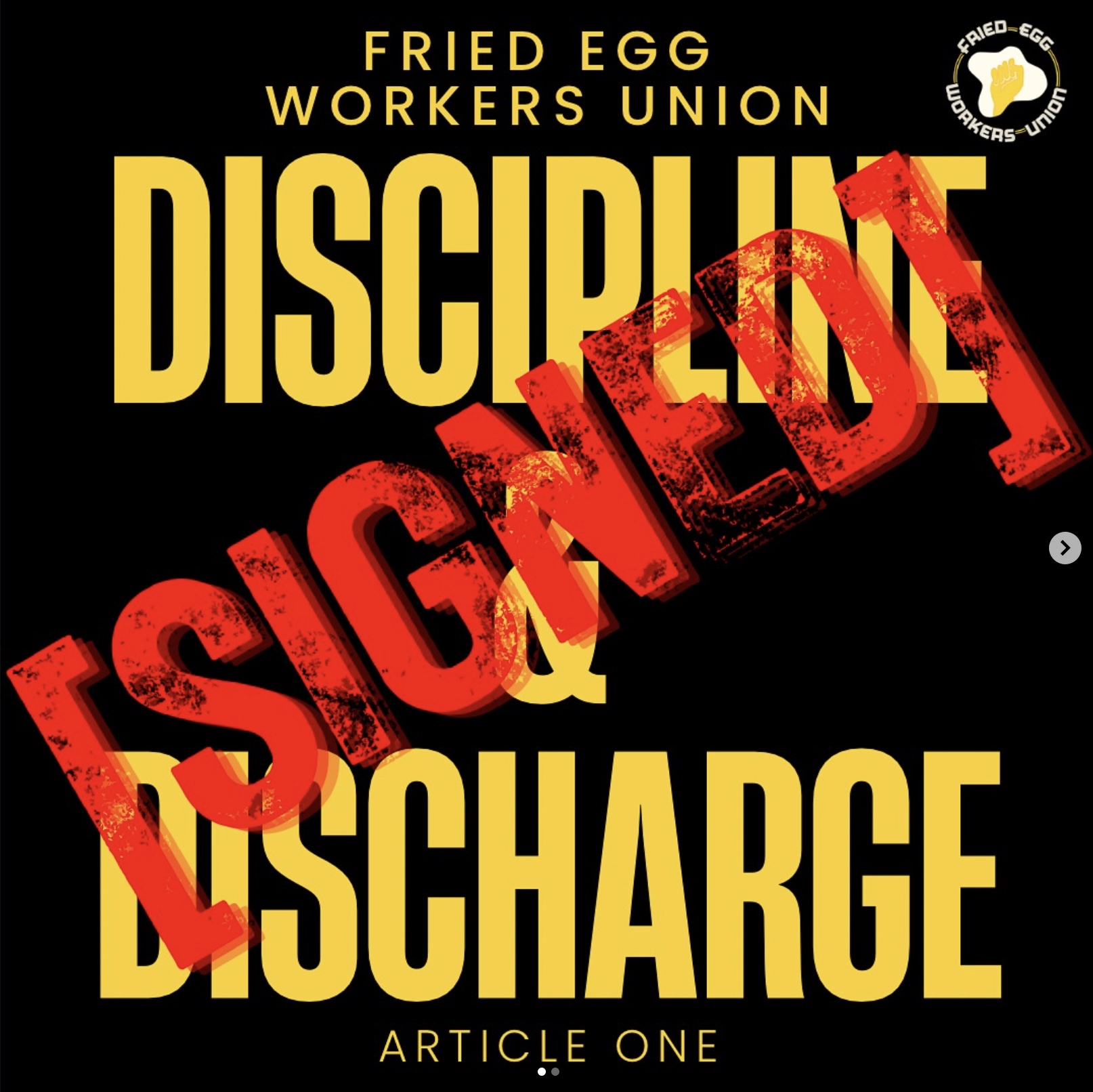
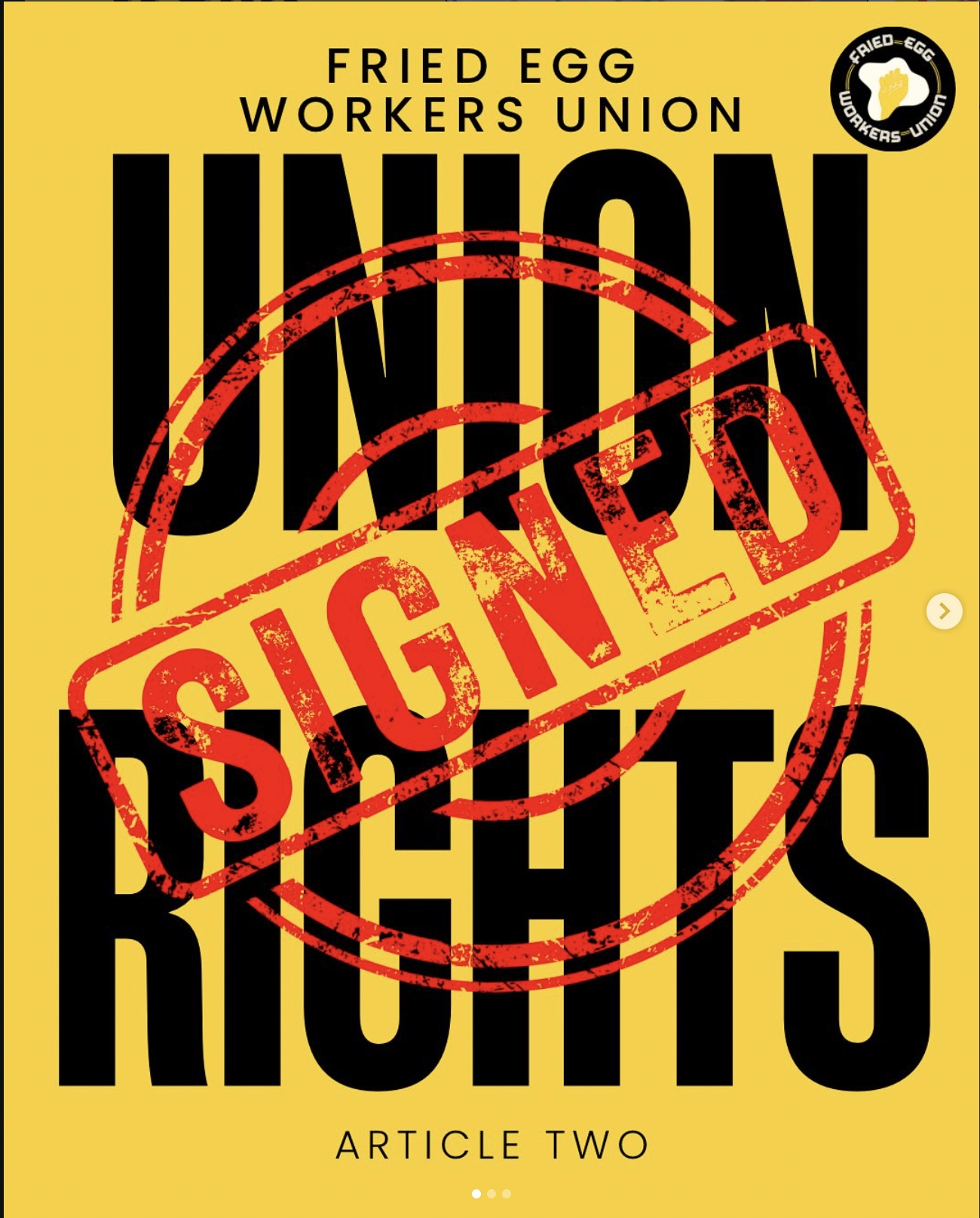
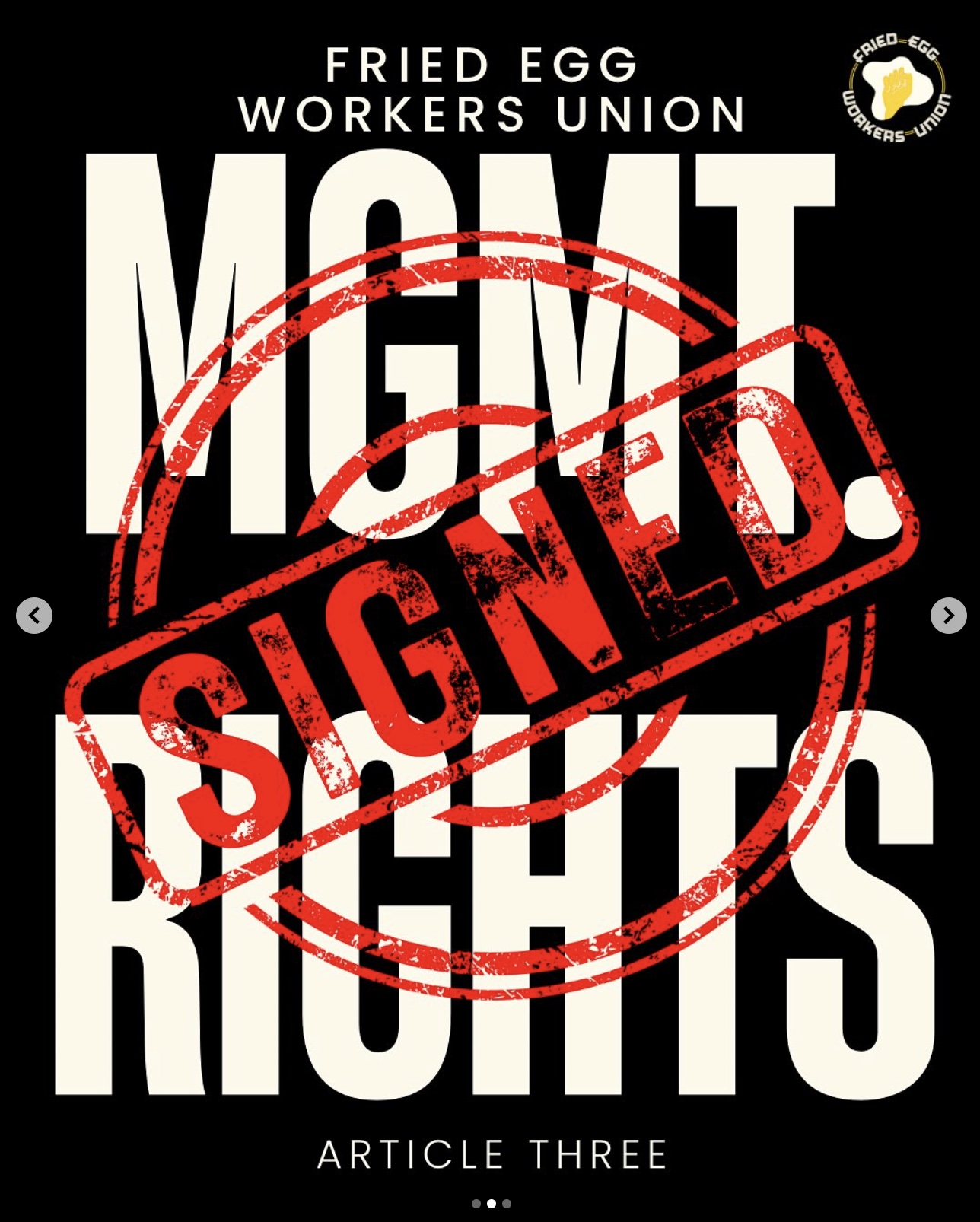
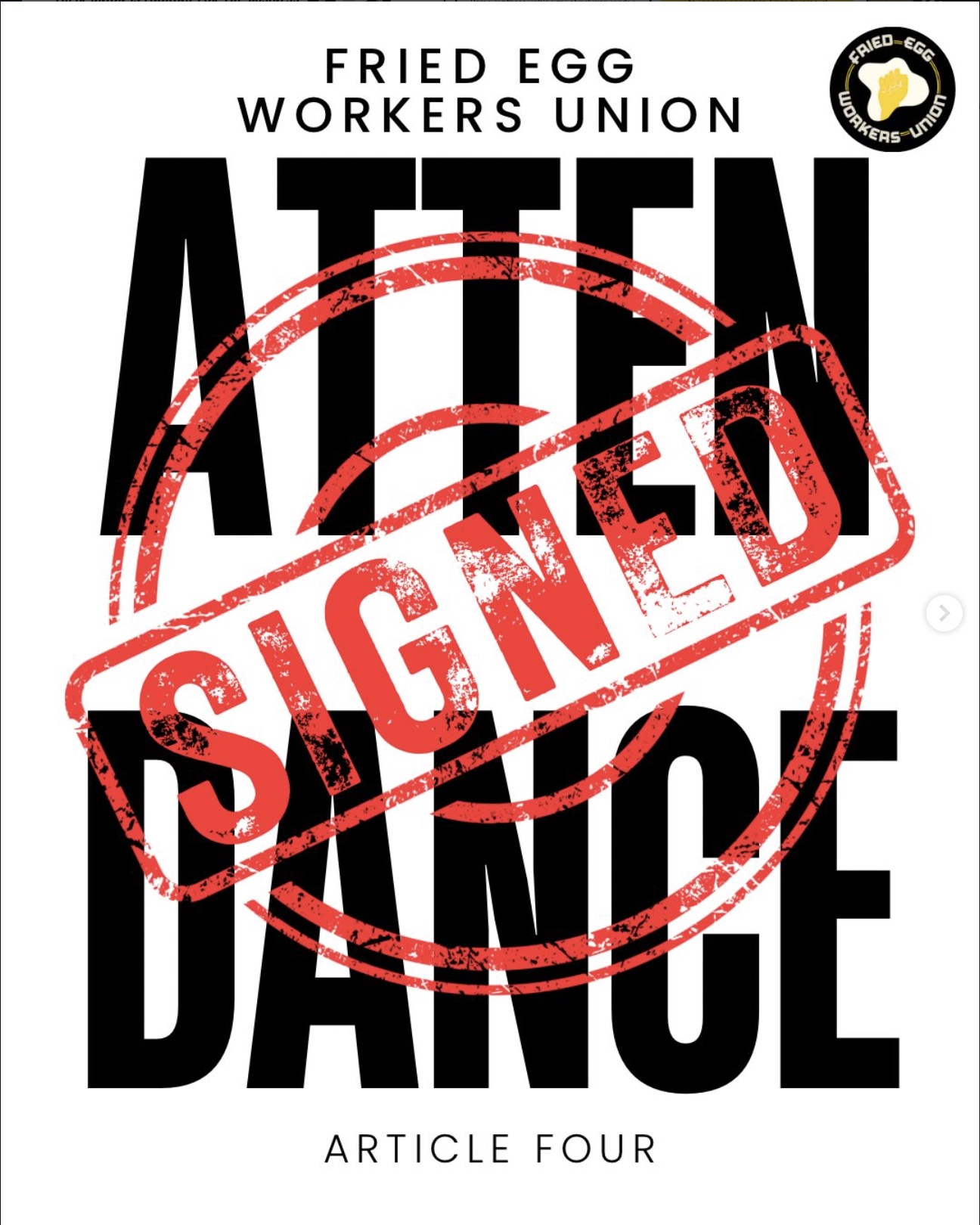
Following iterative research and negotiation, key concerns identified through qualitative analysis were formalized into policy, including discipline and discharge and its associated progressive disciplinary policy, union rights, management rights, and attendance articles. While negotiations are ongoing and I continue to serve in an advisory capacity, these outcomes reflect months of collaborative research and strategy.

Reflection

This project strengthened my ability to conduct research in complex, real-world environments where data is unstructured and stakeholder perspectives often conflict. Working across multiple locations highlighted how systemic issues emerge from patterns in individual experiences, and how important it is to synthesize those patterns into clear, actionable insights. It also reinforced the role of research as a tool for alignment.

Translating diverse employee perspectives into shared priorities required not only analysis, but careful communication and framing to ensure insights could be meaningfully applied in negotiation and decision-making.

Overall, this experience deepened my ability to navigate ambiguity, identify underlying patterns, and translate human behavior into structured insights that support real-world outcomes and inform decision-making in complex systems.

THANK YOU!

Thanks for reviewing this case study on translating stakeholder research into actionable negotiation strategy. Feel free to reach out via my contact page or LinkedIn!

Best,
Wesley